
General Examination
A nose-to-tail physical examination for cats, dogs, birds and exotic pets, with a review of health history and, if needed, a diagnostic testing plan.
For: Cats, Dogs, Birds, Rabbits, Small rodents, Exotic pets
During a general examination, the veterinarian listens to your pet's health history and checks body temperature, heart and lung sounds, mouth and teeth, eyes, ears, skin and abdomen. Depending on the findings, the veterinarian may recommend laboratory or imaging tests if needed. For healthy-looking adult animals, an examination at least once a year is recommended.
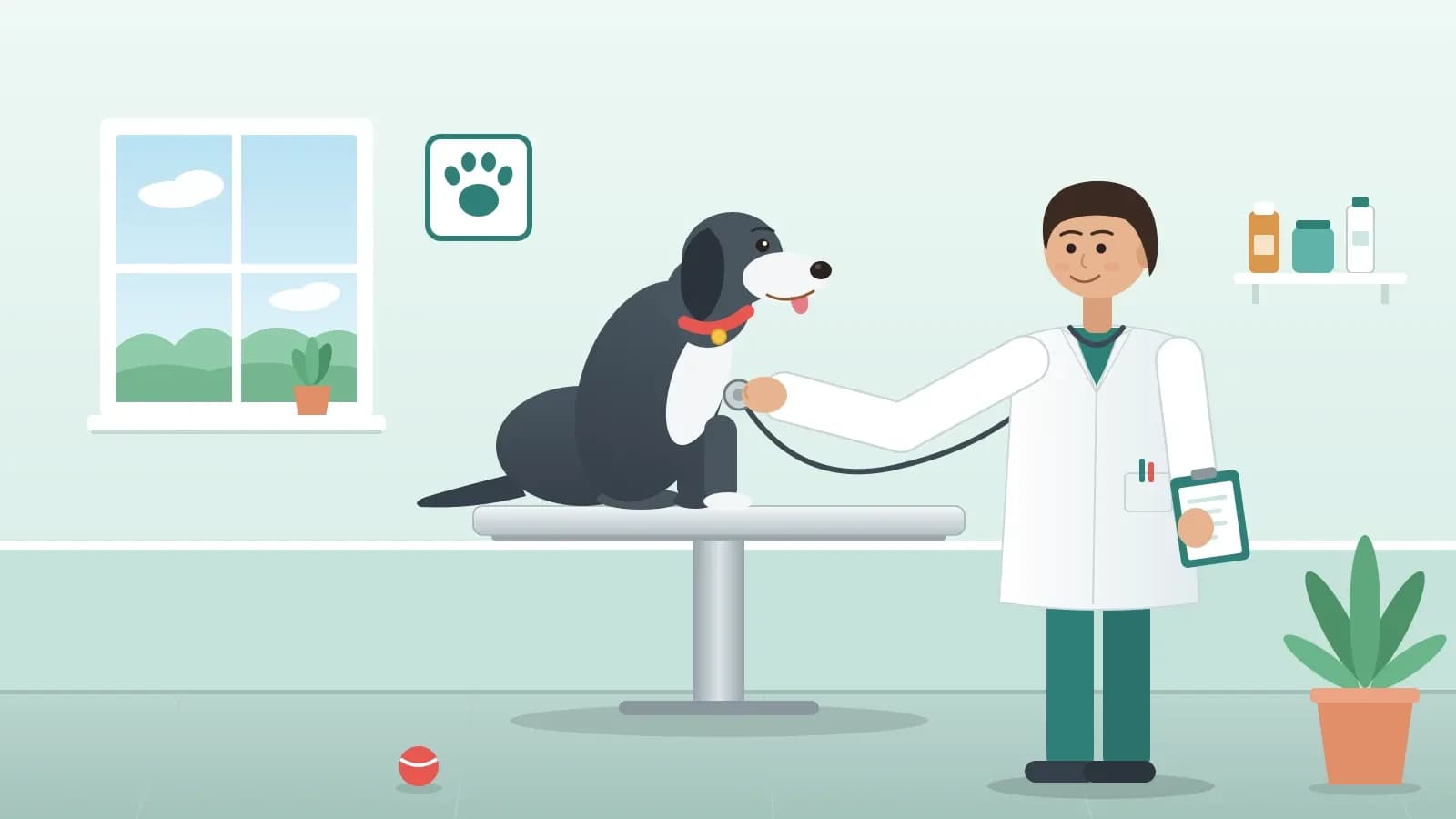
A general examination is the basic veterinary check-up in which we assess your pet's health from nose to tail. It is the first step in finding the source of the problem in an animal that appears sick, and in detecting possible problems early in one that appears healthy.
What is done during the examination?
- Discussion of health history, diet and behavior changes
- Assessment of weight and body condition
- Checking body temperature, pulse and respiration
- Listening to the heart and lungs with a stethoscope
- Checking the eyes, ears, mouth and teeth
- Examining the skin, coat and lymph nodes
- Manual examination of the abdomen (palpation)
At the end of the examination, we explain the findings to you in an understandable way and, if needed, review treatment options together.
Which tests are performed if needed?
Based on the examination findings, we may recommend additional tests. At our clinic, blood and urine tests, fecal examination, digital X-ray and ultrasound can be performed. We decide after the examination which tests are truly needed, and we explain the reason to you.
When is an examination needed?
For healthy-looking adult animals, a check-up at least once a year is recommended; for senior animals and those with chronic conditions, check-ups at the frequency your veterinarian recommends. Regular check-ups help detect problems that progress without showing signs early.
If you notice any of the following, schedule an examination without waiting for the next check-up:
- Loss of appetite or weight loss
- Vomiting or diarrhea
- Lethargy or slowing of movement
- Limping
- Frequent urination or increased water consumption
- Behavior changes
In emergencies such as difficulty breathing, loss of consciousness, severe bleeding or suspected poisoning, call the clinic immediately.
Which animals is it for?
In addition to cats and dogs, we perform general examinations on birds, rabbits, rodents such as hamsters and guinea pigs, and reptiles such as tortoises and iguanas. Because living conditions directly affect the health of birds and exotic animals, we also assess the cage or terrarium setup and diet together.
When coming to the examination
- Bring the vaccination record and previous test results, if you have them.
- Write down the names of the medications and food your pet uses.
- Bring cats in a closed carrier and dogs on a leash.
- Bring birds and exotic animals in a suitable carrier; if possible, take a photo of the cage or terrarium setup.
- Write down the signs you have noticed and when they started.
You can use our online appointment page to request an appointment.
Questions about this service
Do I need to bring my pet fasting before the examination?
This is usually not necessary for a routine examination. If a blood test, sedation or anesthesia is planned, your veterinarian will tell you in advance how long your pet should fast.
What should I bring to the examination?
Your pet's vaccination record, any previous test results and reports, and the names of the medications and food your pet is currently using will make the examination easier.
How long does a general examination take?
The duration varies depending on your pet's condition and the topics to be discussed. A routine check-up is often brief; if additional tests are needed after the examination, it may take longer.
Do I need an appointment for a general examination?
We recommend making an appointment to shorten your waiting time. You can submit a request through our online appointment page or call us by phone.
Is an examination necessary for a healthy-looking pet?
Yes. Some diseases show no signs at first; regular check-ups help detect these problems early. At least one check-up per year is recommended for healthy adult animals, and more frequent check-ups for senior animals.
Do you also perform general examinations on birds and exotic animals?
Yes. We also perform general examinations on birds, rabbits, rodents and reptiles. We recommend calling us before you come so that we can make preparations suited to the species.
Is it mandatory to have tests done after the examination?
No. Tests are recommended only if the examination findings require them. We explain the reason for every test we recommend; the decision is made together.